
HRMS implementation failure: three mistakes to avoid
You may have found the perfect HRMS for your business – functionality, deployment option, integration with other business IT – but there’s still time to get it all wrong. A KPMG report found that less than four in ten software projects come near to delivering their full return on investment.
Proper HRMS implementation is essential in realizing the benefits of new software and maximizing the ROI of your project - so it's essential to avoid errors during implementation.
Here are the three HRMS implementation mistakes you DON’T want to make if you want your new HRMS to be operating at optimum efficiency.
1. Failing to engage with key Stakeholders
Introducing a new system – whether IT or not – is asking and expecting your people to do something differently. In the case of HRMS implementation, it might be updating their own employee records, accessing HR advice through new channels or just getting their payslips online.
Whatever change you’re pushing, success depends on communicating clearly and gaining the buy-in of those affected.
Implement your HRMS without error using our step-by-step HRMS implementation guide
Some stakeholder mapping up front on who will be most impacted by the HRMS implementation and who will have the most influence over its success will reveal an interesting picture of interests and concerns.
From the C-level to the file clerk, everyone will have a view and an attitude; even if it’s apathy. For project success, you need a comprehensive and two-way strategy of communication: team meetings, focus groups, training needs analyses, FAQs, and so on; all valuable ways of engaging core stakeholders at all levels.
2. Not testing the HRMS thoroughly
With a system that will contain peoples personal and confidential details – and may even incorporate or integrate with the payroll software – there’s not much room for error.
Or to put it another way, the smallest error will result in loud complaints. So, test, test and test again. Parallel running with legacy systems during the HRMS implementation process is a solid way of uncovering glitches and bugs; especially if you have a cadre of ‘beta users’ who are enthusiastic about the system and are willing to help you by spotting snags in the new system.
Similarly, this rigorous approach applies to other system transition issues, including data cleansing and migration.
3. Skimping on training
Your HR staff need to understand the new interfaces, the new inputs and reporting capabilities. Your managers may well have to learn how to utilize their new HR dashboard which will tell them the answers to questions they hadn’t even thought of.
Your top executives need to know what new strategic data they can pull. Finally, your ‘shop floor’ employees may need to know how to use ESS (employee self-service) functionality for the first time. None of this happens without training.
It may be on-site face-to-face courses run by your vendor’s team, online e-learning taking people through key steps or a full blown global HRMS training program. Your people need new knowledge and probably some new skills; not investing in personal development is a fast route to implementation failure.
Put simply, HRMS implementation carries risks – the risks of being tempted to cut corners, to leave people out of the loop, to aim for a too-quick ‘go live’ date.
In order not to waste the investment at the buying stage, a good implementation project should include comprehensive stakeholder engagement, in-depth HRMS testing and a carefully-planned training program.

Free white paper
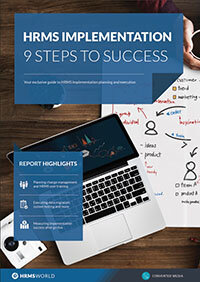
HRMS implementation: 9 steps to success
Get your detailed guide to planning and executing an HRMS implementation

Featured white papers

Related articles
-

4 reasons why employee feedback should be the basis of your HRMS strategy
Your HRMS strategy will benefit from employee feedback, this article gives four ways to utilize t...
-

Succession planning: How to fill the gaps with HRMS software
Learn about the 3 ways in which HRMS software will solve all your succession planning problems.
-

An introduction to HRMS document management
Discover the advantages of implementing HRMS document management and the challenges you will face...