
How HR technology can have a positive impact on employee wellbeing
Employee wellbeing in your organization involves creating a positive work environment where employees feel included and committed to company goals, not only allowing them to achieve their full potential for themselves but also for your organization.
Technology's effect on that goal isn't automatically positive, though. A 2024 UK study by the Institute for the Future of Work linked newer workplace technologies like AI software and machine learning processes to higher stress and reduced autonomy, while established tools were linked to better morale. Left unchecked, constant connectivity is also a major driver of digital burnout.
An HRMS can help to meet your goals for employee wellbeing by bridging that gap using simple, well-established functionality. Here are some key tips.
1) Use your HRMS for career development
Personal development is a pillar of employee wellbeing. Your HRMS should contain employee goals as well as manager and peer feedback. Do you have a mentor program? This is another area where the HRMS can track expectations and progress.
Career development also relies on learning whether in a formal classroom setting, on the job or through distance learning or recorded sessions. Your HRMS should be tracking courses completed, suggesting new learning paths and holding an employee’s skills, competencies and certifications. Some HRMS even contain the online course platform or content, a true one-stop shop for learning options.
2) Improve visibility of company-provided benefits and perks
Physical and mental health are part of employee well-being, along with feeling valued. Many employees are only aware of their own cost for benefits and not the company-paid piece.
It is recommended to raise awareness of the investment the company is providing to the employee, whether through an annual summary showing the value of company-paid benefits or as an available data point in an employee dashboard.
Recommended download: Get your guide to employee self-service
Employees often see the payroll deductions without considering the company’s cost as well. Nearly all mid-to-large U.S. employers offer an employee assistance program (EAP), yet average annual employee utilization hovers around just 4% due to a lack of awareness and benefits complexity.
Integrating these mental health resources directly into the core HR dashboard alongside payroll and total rewards gives employees a frictionless route to support before digital burnout sets in
3) Organize your work environment with your HRMS
Contentment in the workplace is often tied to working hours and conditions. Are you effectively managing your employee schedules in your HRMS, or are employees required to work overtime or call out sick because of dissatisfaction with scheduled days?
Are you managing workloads in your HRMS so that work is distributed across and among teams? Employee wellbeing is often linked to working in a team while maintaining autonomy. This matters more given how hard it has become to switch off from work.
An HRMS can help you achieve that balance by collecting an employee’s input on their preferred tasks rather than leaving task assignment to random selection or to an unaware or biased manager.

Free white paper
HRMS Software Vendor Directory
Put the most up-to-date HRMS vendor directory on your desk today! Nearly 100 vendors listed.
Related articles
-
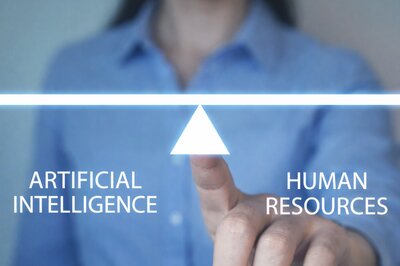
Critical limitations of AI in HR
Does AI provide the solution for day-to-day HR tasks? Guest blog from StarGardem
-

The impact of COVID-19 on HR tech
How COVID19 is impacting HR technology and providers
-

Using HR technology to engage employees
An exclusive guest blog from PDS discussing how to use HR tech to engage employees